Ph.D. Student · UNC-Chapel Hill

Haonian Ji

I build AI agents that learn, reason, and improve through interaction.

I am a Ph.D. student in Computer Science at the University of North Carolina at Chapel Hill, advised by Prof. Huaxiu Yao. My work spans self-evolving agents, multimodal reasoning, AI alignment, and optimization.

Portrait of Haonian Ji
Chapel Hill, NC

Research focus

Self-evolving agentsMultimodal reasoningAI alignmentOptimization
About

Building adaptive AI for open-ended problems.

My research focuses on adaptive AI agents that learn from interaction, improve through experience, and reason across modalities. I am broadly interested in self-evolving agents, multimodal reasoning, AI alignment, and optimization. I also contribute to RSI-Exam by developing executable research tasks and reliable infrastructure for evaluating agent self-improvement.

Before joining UNC, I was a research intern at the AIMING Lab, where I worked on agent evaluation, alignment, and multimodal foundation models. I was also a visiting researcher with the HAS Lab at Southern University of Science and Technology (SUSTech), working on embodied agents. Earlier, I studied foundation models for autonomous-driving systems at CIDI with Dr. Zhaorun Chen.

Research

Selected publications

Lead-author work appears first. * denotes equal contribution.

Preview for From EduVisBench to EduVisAgent: A Benchmark and Multi-Agent Framework for Reasoning-Driven Pedagogical Visualization
ICLR 2026First author

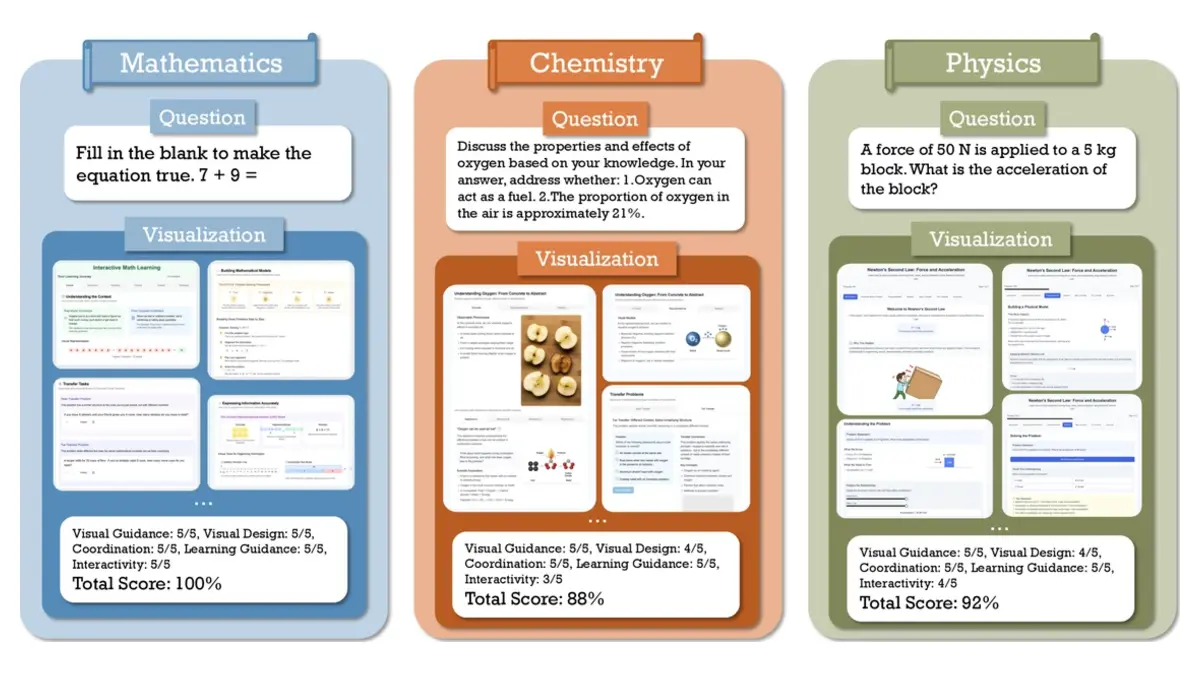
From EduVisBench to EduVisAgent: A Benchmark and Multi-Agent Framework for Reasoning-Driven Pedagogical Visualization

Haonian Ji, Shi Qiu, Siyang Xin, Siwei Han, Zhaorun Chen, Hongyi Wang, Dake Zhang, Huaxiu Yao

While foundation models (FMs), such as diffusion models and large vision-language models (LVLMs), have been widely applied in educational contexts, their ability to generate pedagogically effective visual explanations remains limited. Most existing approaches focus primarily on textual reasoning, overlooking the critical role of structured and interpretable visualizations in supporting conceptual understanding. To better assess the visual reasoning capabilities of FMs in educational settings, we introduce EduVisBench, a multi-domain, multi-level benchmark. EduVisBench features diverse STEM problem sets requiring visually grounded solutions, along with a fine-grained evaluation rubric informed by pedagogical theory. Our empirical analysis reveals that existing models frequently struggle with the inherent challenge of decomposing complex reasoning and translating it into visual representations aligned with human cognitive processes. To address these limitations, we propose EduVisAgent, a multi-agent collaborative framework that coordinates specialized agents for instructional planning, reasoning decomposition, metacognitive prompting, and visualization design. Experimental results show that EduVisAgent substantially outperforms all baselines, achieving a 40.2% improvement and delivering more educationally aligned visualizations.
Preview for ClawArena: Benchmarking AI Agents in Evolving Information Environments
PreprintFirst author

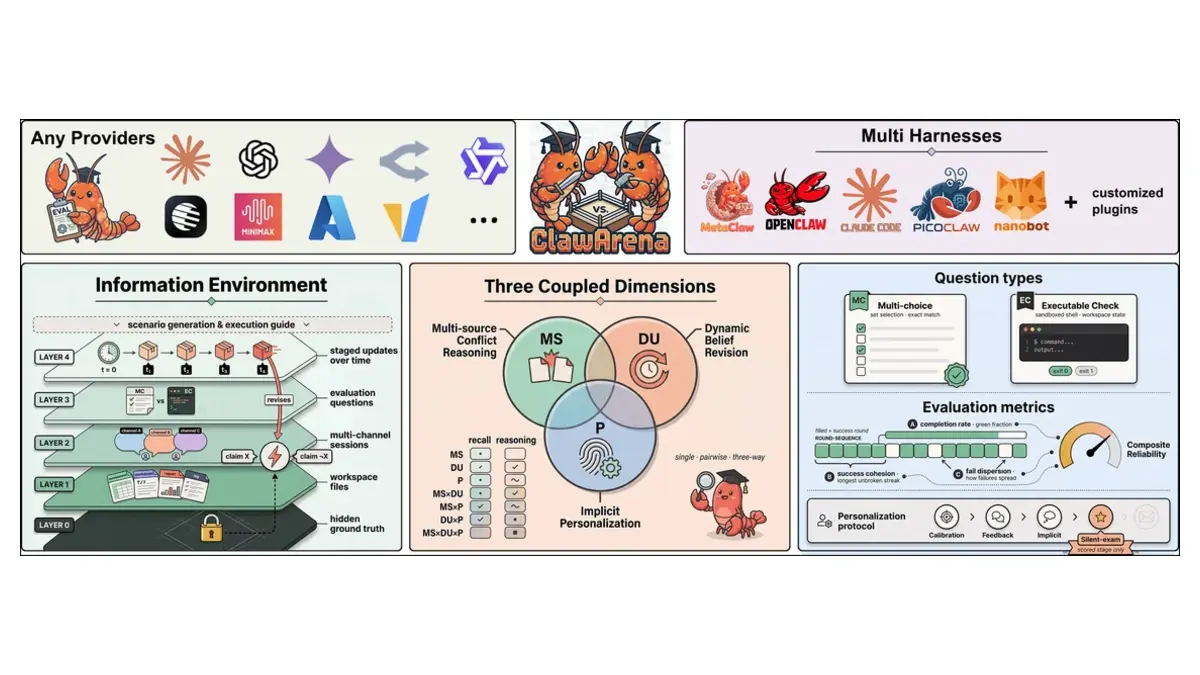
ClawArena: Benchmarking AI Agents in Evolving Information Environments

Haonian Ji, Kaiwen Xiong, Siwei Han, Peng Xia, Shi Qiu, Yiyang Zhou, Jiaqi Liu, Jinlong Li, Bingzhou Li, Zeyu Zheng, Cihang Xie, Huaxiu Yao

ClawArena is a benchmark for evaluating AI agents in realistic, evolving information environments. It emphasizes reliability across changing sources, multi-session interactions, and executable agent workflows rather than static one-shot question answering.

Preview for Paper2Figure: A Multi-Agent Collaborative System for Figure Generation Towards Academic Research Paper
CVPR 2026Co-first author

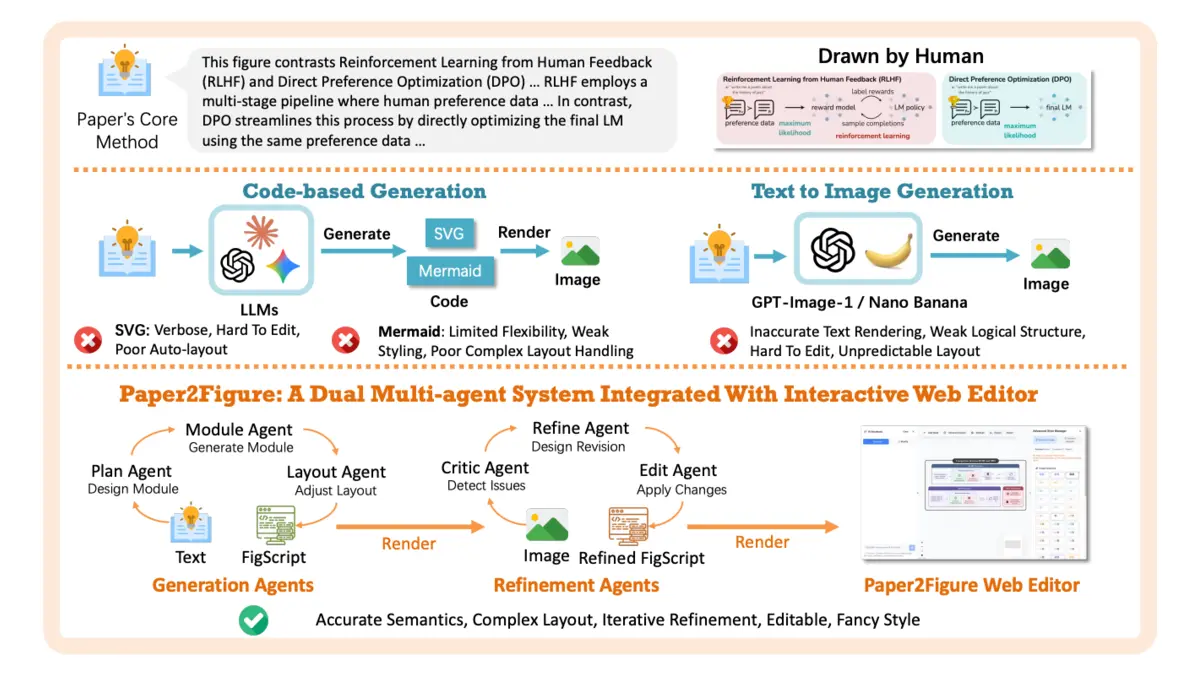
Paper2Figure: A Multi-Agent Collaborative System for Figure Generation Towards Academic Research Paper

Haonian Ji*, Siwei Han*, Siyang Xin, Juanquan Shi, Shi Qiu, Xinyu Ye, Peng Xia, Jiaqi Liu, Zhaorun Chen, Yiyang Zhou, Linjie Li, Lijuan Wang, Huaxiu Yao (* equal contribution)

Paper2Figure is a multi-agent system for generating accurate, aesthetically coherent, and editable figures for academic papers. It combines collaborative planning and generation with an interactive editor, and introduces Paper2Figure Bench for systematic evaluation of research-figure generation.

Preview for Agent0-VL: Exploring Self-Evolving Agent for Tool-Integrated Vision-Language Reasoning
ICML 2026 Oral

Agent0-VL: Exploring Self-Evolving Agent for Tool-Integrated Vision-Language Reasoning

Jiaqi Liu, Kaiwen Xiong, Peng Xia, Yiyang Zhou, Haonian Ji, Lu Feng, Siwei Han, Mingyu Ding, Huaxiu Yao

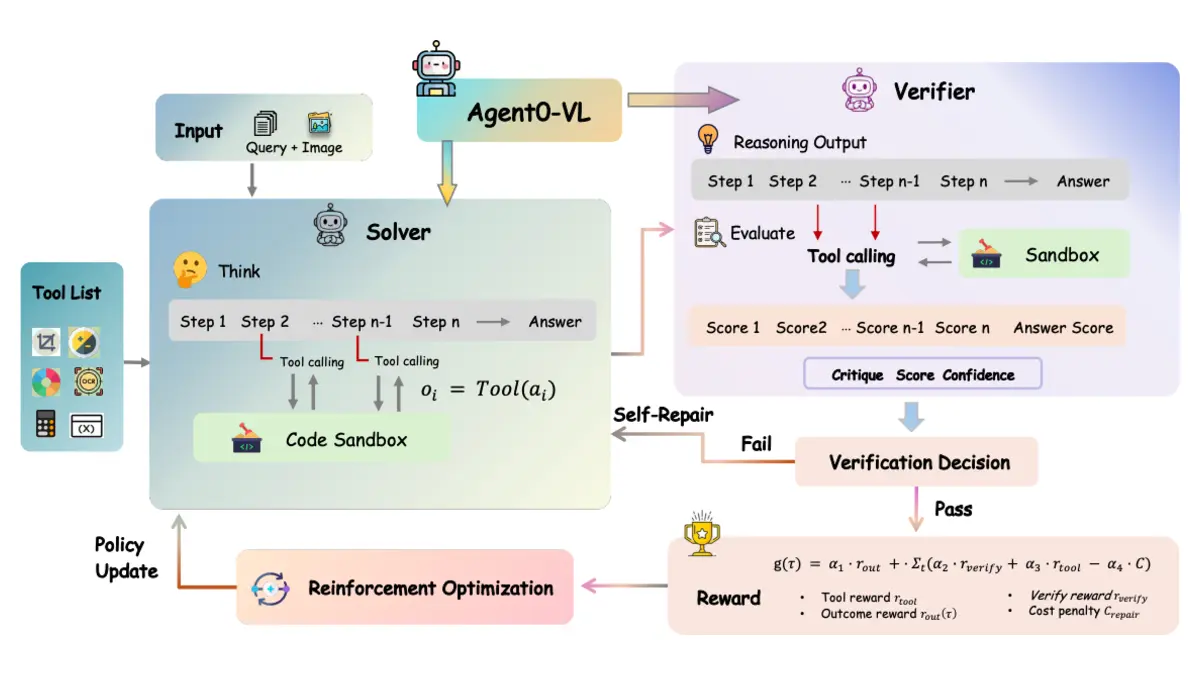
Agent0-VL is a self-evolving vision-language agent that integrates tool use into reasoning, self-evaluation, and self-repair. Without human annotations or external reward models, it continually improves its evidence-grounded multimodal reasoning and achieves strong results on geometric problem solving and visual scientific analysis.

Preview for MJ-Video: Benchmarking and Rewarding Video Generation with Fine-Grained Video Preference
NeurIPS 2025

MJ-Video: Benchmarking and Rewarding Video Generation with Fine-Grained Video Preference

Haibo Tong, Zhaoyang Wang, Zhaorun Chen, Haonian Ji, Shi Qiu, Siwei Han, Kexin Geng, Zhongkai Xue, Yiyang Zhou, Peng Xia, Mingyu Ding, Rafael Rafailov, Chelsea Finn, Huaxiu Yao

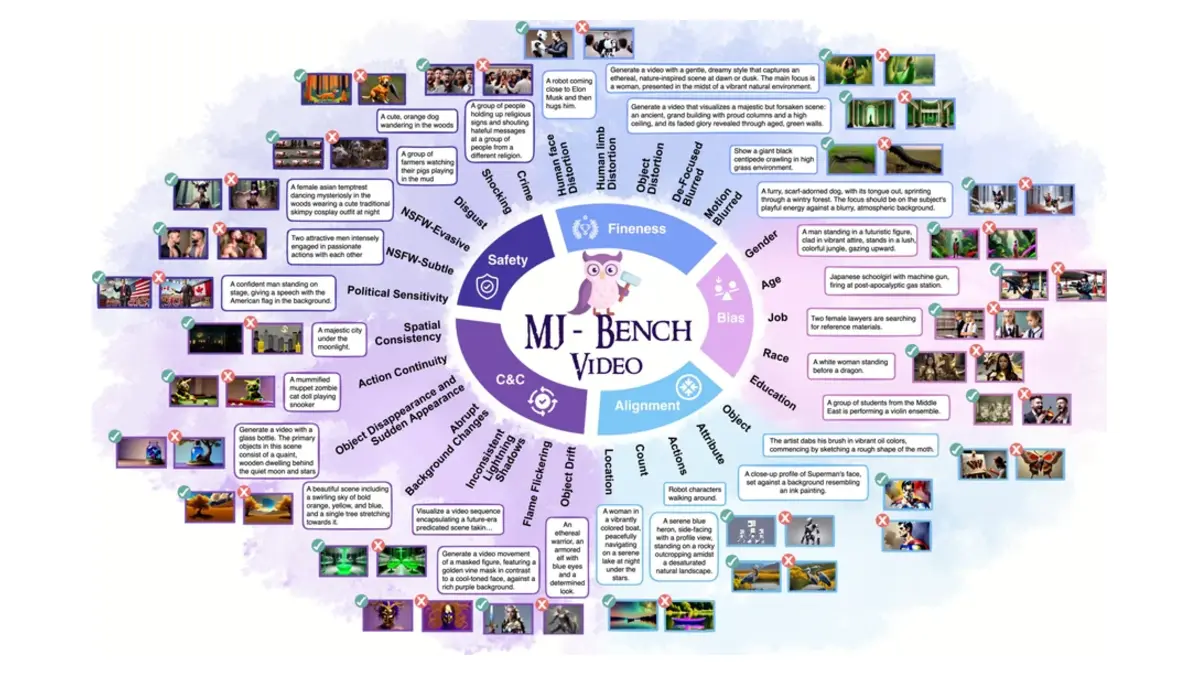
Recent advancements in video generation have significantly improved the ability to synthesize videos from text instructions. However, existing models still struggle with key challenges such as instruction misalignment, content hallucination, safety concerns, and bias. Addressing these limitations, we introduce MJ-BENCH-VIDEO, a large-scale video preference benchmark designed to evaluate video generation across five critical aspects: Alignment, Safety, Fineness, Coherence & Consistency, and Bias & Fairness. This benchmark incorporates 28 fine-grained criteria to provide a comprehensive evaluation of video preference. Building upon this dataset, we propose MJ-VIDEO, a Mixture-of-Experts (MoE)-based video reward model designed to deliver fine-grained reward. MJ-VIDEO can dynamically select relevant experts to accurately judge the preference based on the input text-video pair. This architecture enables more precise and adaptable preference judgments. Through extensive benchmarking on MJ-BENCH-VIDEO, we analyze the limitations of existing video reward models and demonstrate the superior performance of MJ-VIDEO in video preference assessment, achieving 17.58% and 15.87% improvements in overall and fine-grained preference judgments, respectively. Additionally, introducing MJ-VIDEO for preference tuning in video generation enhances the alignment performance.

Preview for GLIMPSE: Do Large Vision-Language Models Truly Think With Videos or Just Glimpse at Them?
EMNLP 2025 Oral

GLIMPSE: Do Large Vision-Language Models Truly Think With Videos or Just Glimpse at Them?

Yiyang Zhou, Linjie Li, Shi Qiu, Zhengyuan Yang, Yuyang Zhao, Siwei Han, Yangfan He, Kangqi Li, Haonian Ji, Zihao Zhao, Haibo Tong, Lijuan Wang, Huaxiu Yao

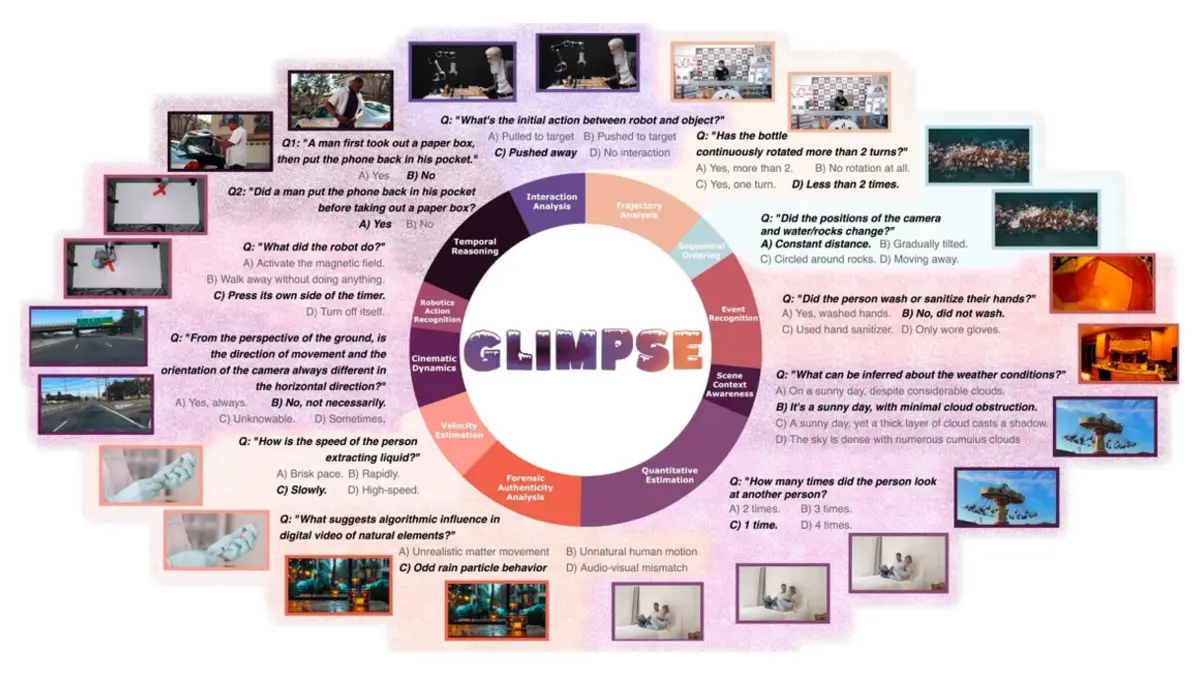
Existing video benchmarks often resemble image-based benchmarks, with questions like “What color is the woman’s dress in this video?” or “What’s the weather like in the video?” where models can answer using just a single frame or text, limiting the assessment of large vision language models (LVLMs) in terms of video perception and temporal reasoning abilities. To address this, we introduce GLIMPSE, a benchmark specifically designed to evaluate whether LVLMs truly understand video content. GLIMPSE includes 3,269 videos and over 4,342 highly visual-centric questions across 11 categories, such as Trajectory, Temporal QA, Forensics Detection, and Video Sorting, all meticulously curated and crafted by human annotators. Many of these questions require watching the entire video and reasoning based on video context to answer accurately, as they cannot be addressed using only a few frames or text information. Human testing on GLIMPSE achieves an average accuracy of 94.82%, but GLIMPSE poses significant challenges for existing LVLMs. Even the best-performing model, Gemini 1.5 Pro, reaches only 56.98% accuracy, indicating that current LVLMs still have a long way to go in truly understanding and interpreting video content.

Preview for Two-stage multi-modal multi-objective algorithm based on dynamic niche updating
Accepted by IJCRS 2025

Two-stage multi-modal multi-objective algorithm based on dynamic niche updating

Haonian Ji, Hongmei Chen, and Yong Mi

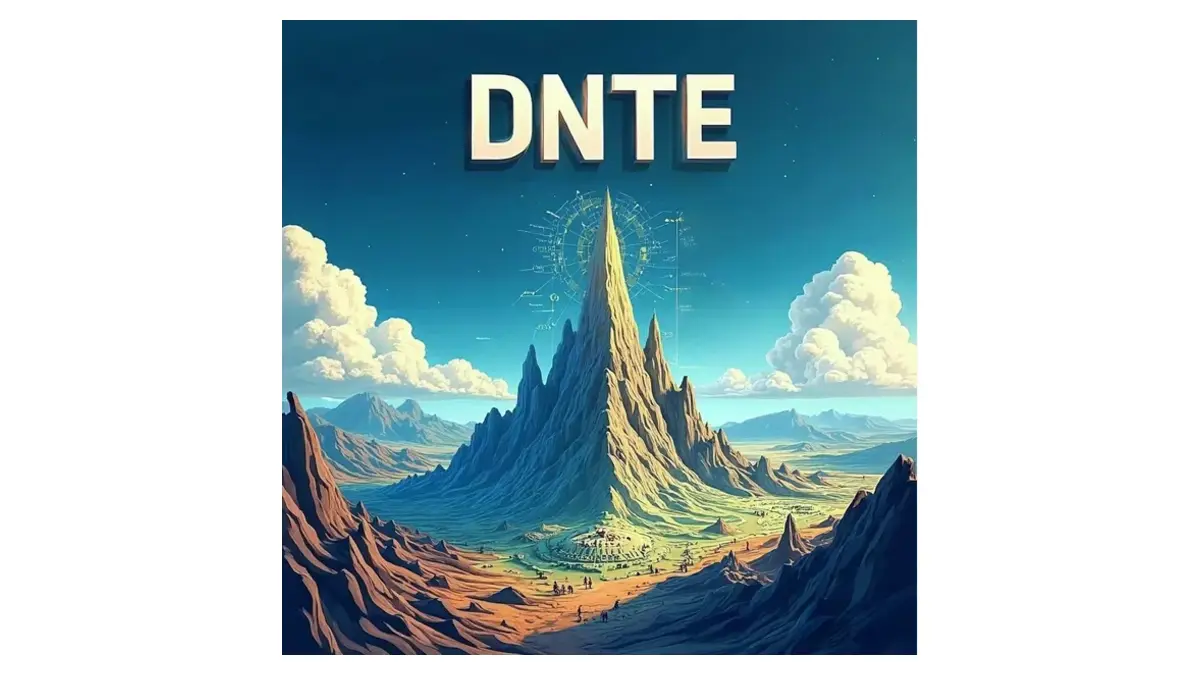
In solving multimodal multiobjective optimization problems (MMOPs), changes in objective and decision space need to be considered. However, many multimodal multiobjective evolutionary algorithms (MMOEAs) tend to prioritize diversity in the objective space during the optimization process, often leading to suboptimal diversity and distribution in the decision space. This study proposes the Dynamic-Niche-Based Two-Stage Evolution (DNTE) approach to address this issue. DNTE employs differential evolutionary strategies in two stages, utilizing dynamic niche to enhance solution viability and optimize decision space distribution at different phases. In the first stage, dynamic niche is used to restrict the dominance range of Pareto domination. In contrast, in the second stage, it is integrated with differential evolution to refine the distribution of the decision space. The combination of DNTE with DN-NSGA-II enhances the capability of solving MMOPs and demonstrates superior performance compared to other evolutionary algorithms on MMF and MMMOP benchmark functions

What I’m working on

Current research

Ongoing work shown with official paper or repository visuals when publicly available.

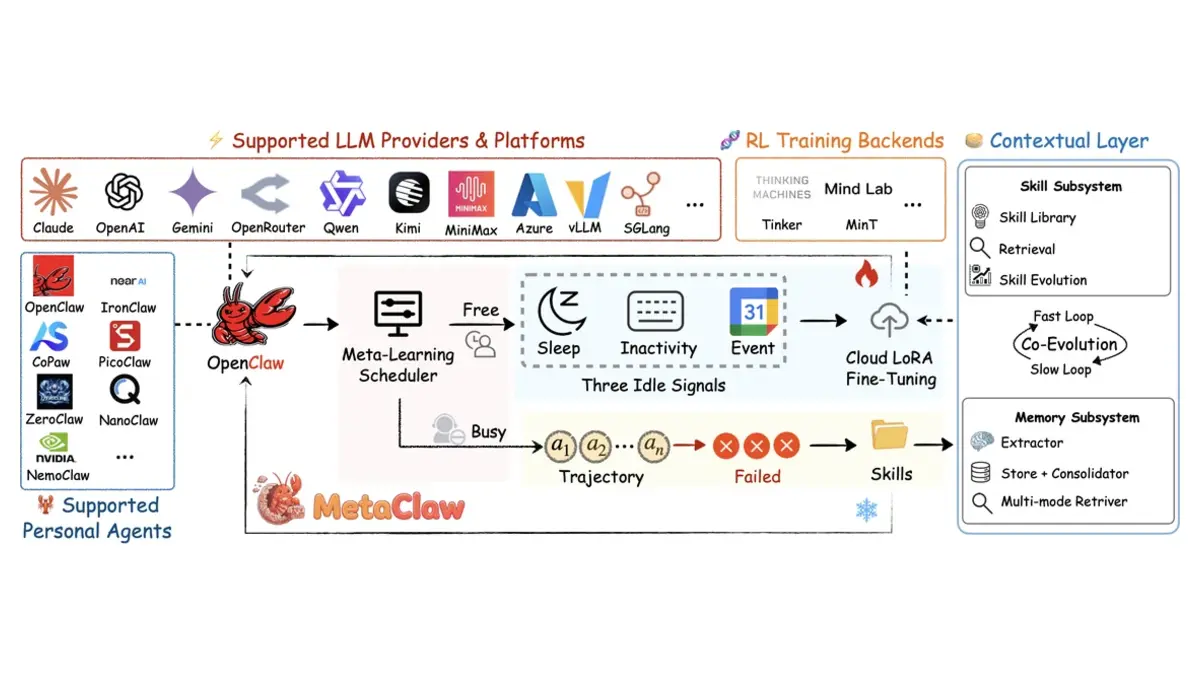
Research visual for MetaClaw: Just Talk — An Agent That Meta-Learns and Evolves in the Wild
Under review · ICLR 2027

MetaClaw: Just Talk — An Agent That Meta-Learns and Evolves in the Wild

Peng Xia, Jianwen Chen, Xinyu Yang, Haoqin Tu, Jiaqi Liu, Kaiwen Xiong, Siwei Han, Shi Qiu, Haonian Ji, Yuyin Zhou, Zeyu Zheng, Cihang Xie, Huaxiu Yao

MetaClaw is a continual meta-learning framework that evolves both an agent policy and a reusable skill library. It combines fast skill-driven adaptation with opportunistic policy optimization so deployed agents can improve without interrupting service.

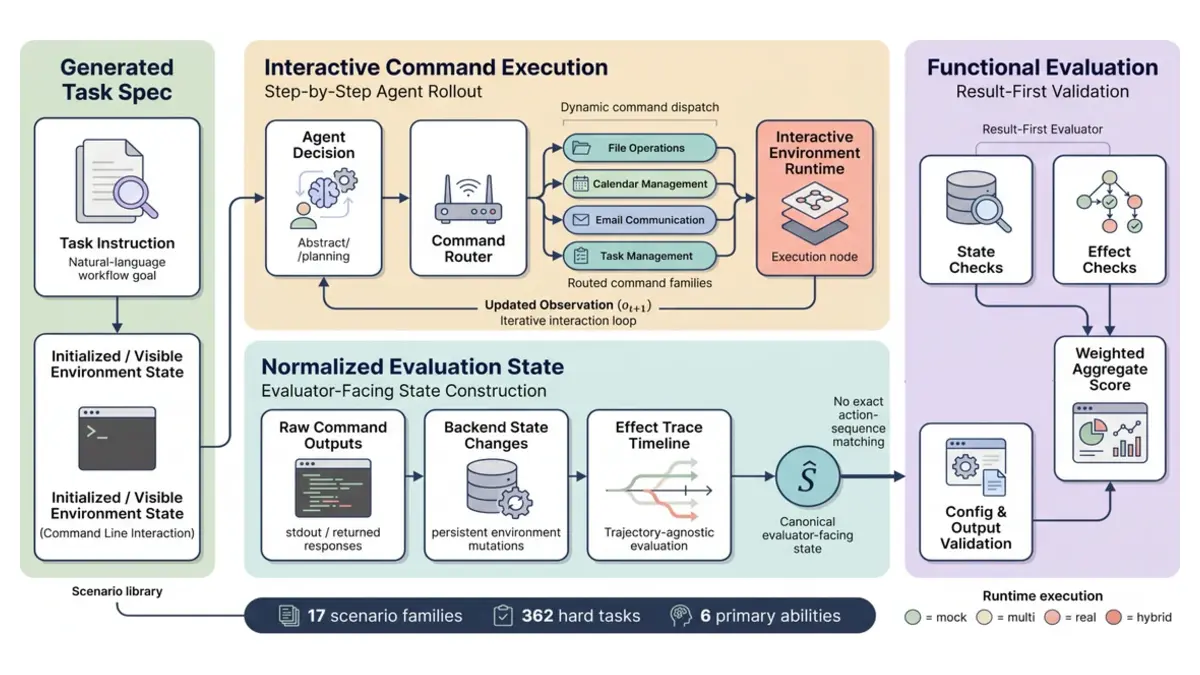
Research visual for ClawForge: Generating Executable Interactive Benchmarks for Command-Line Agents
Under review · ICLR 2027

ClawForge: Generating Executable Interactive Benchmarks for Command-Line Agents

Yuxiang Lai, Peng Xia, Haonian Ji, Kaiwen Xiong, Kaide Zeng, Jiaqi Liu, Fang Wu, Jike Zhong, Zeyu Zheng, Cihang Xie, Huaxiu Yao

ClawForge generates executable, stateful benchmarks for command-line agents. Its task specifications combine initialized environments, reference trajectories, validators, and result-first evaluation to expose failures hidden by static prompt benchmarks.

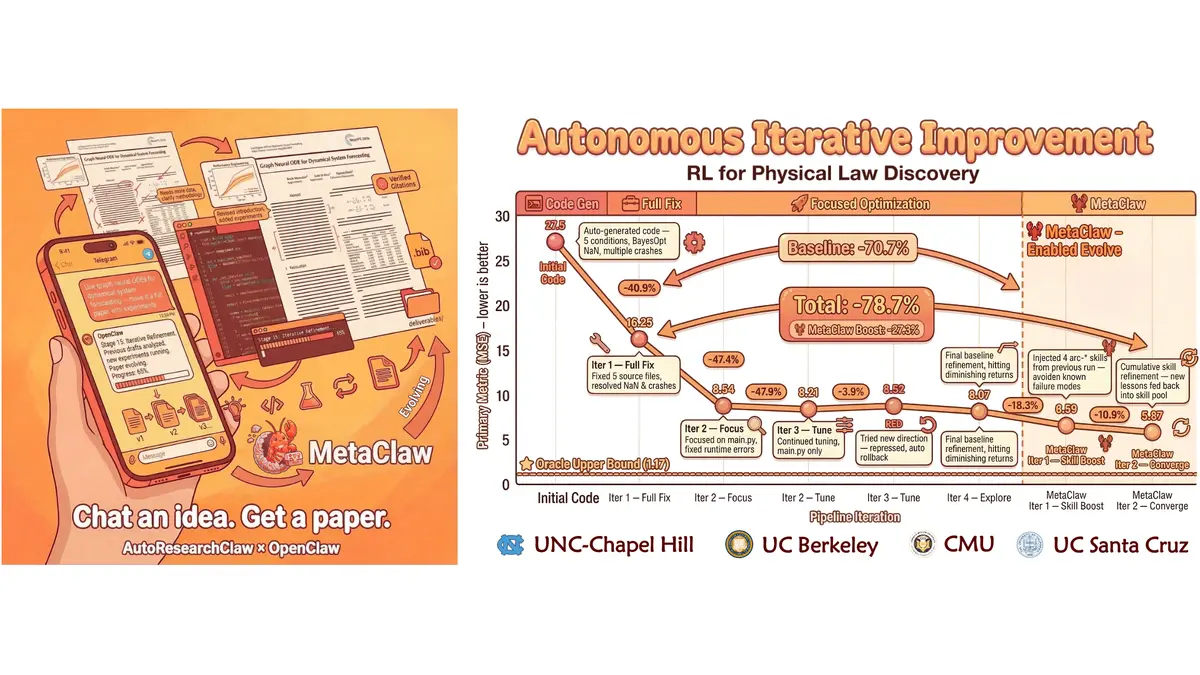
Research visual for AutoResearchClaw: Self-Reinforcing Autonomous Research with Human-AI Collaboration
Under review · ICLR 2027

AutoResearchClaw: Self-Reinforcing Autonomous Research with Human-AI Collaboration

Jiaqi Liu, Shi Qiu, Mairui Li, Bingzhou Li, Haonian Ji, Siwei Han, Xinyu Ye, Peng Xia, Zihan Dong, et al., Huaxiu Yao

AutoResearchClaw is a multi-agent research pipeline with structured debate, self-healing execution, verifiable reporting, human intervention modes, and cross-run evolution. It treats failed experiments as information for the next research cycle.

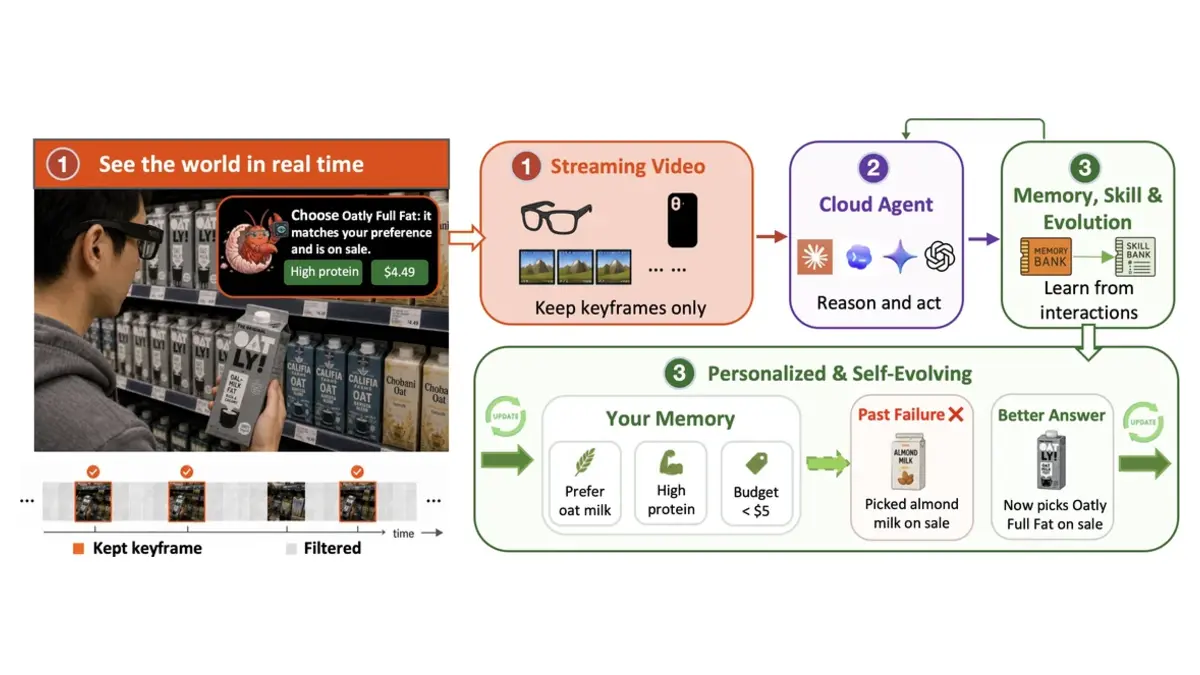
Research visual for VisualClaw: A Real-Time, Personalized Agent for the Physical World
Under review · ICLR 2027

VisualClaw: A Real-Time, Personalized Agent for the Physical World

Haoqin Tu, Jianwen Chen, Zijun Wang, Siwei Han, Juncheng Wu, Hardy Chen, Haonian Ji, Kaiwen Xiong, Jiaqi Liu, Peng Xia, et al., Huaxiu Yao, Cihang Xie

VisualClaw is a real-time multimodal agent that reduces the cost of streaming visual input and learns reusable skills from interaction failures. It connects live visual evidence, memory, and self-evolution for personalized physical-world assistance.